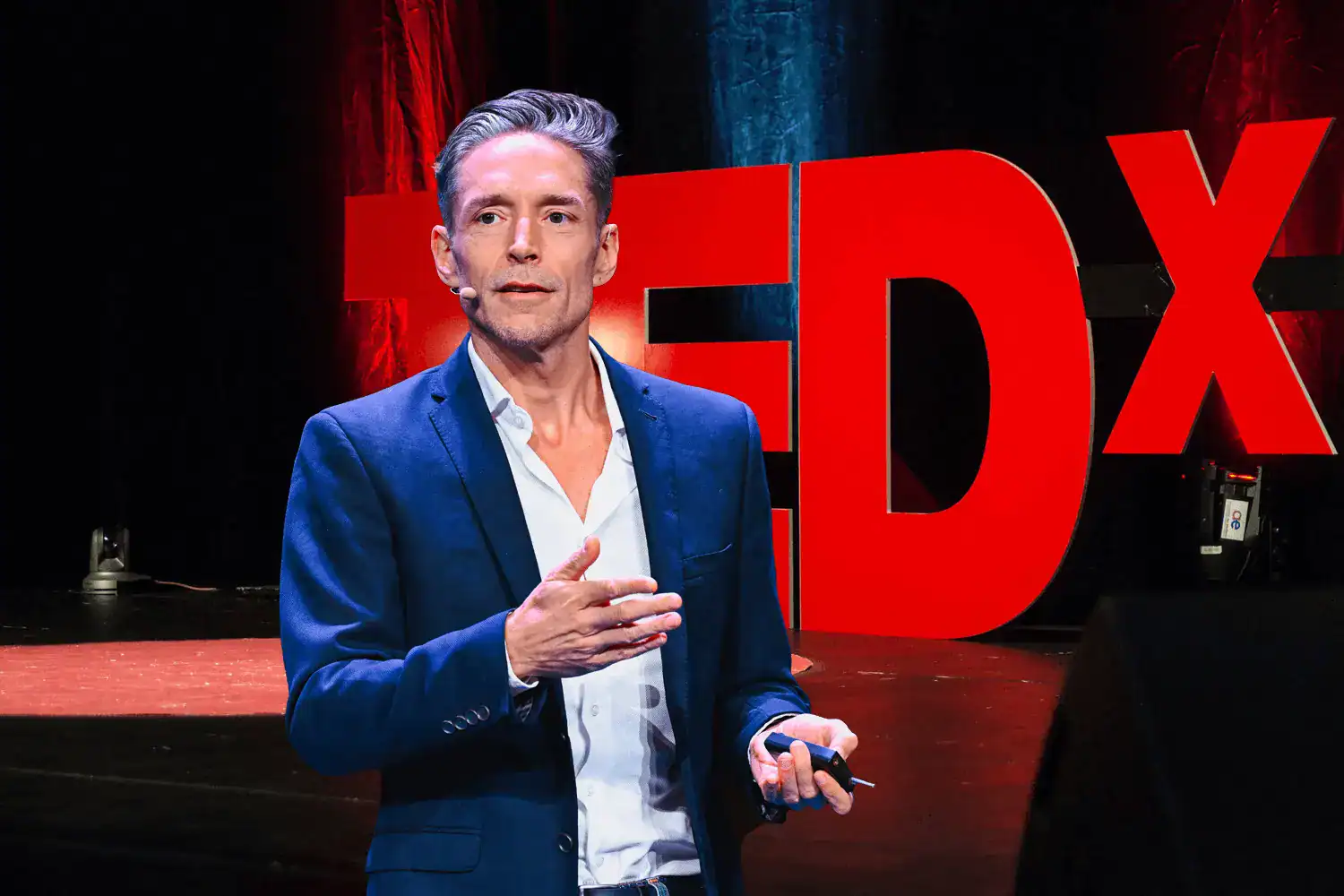
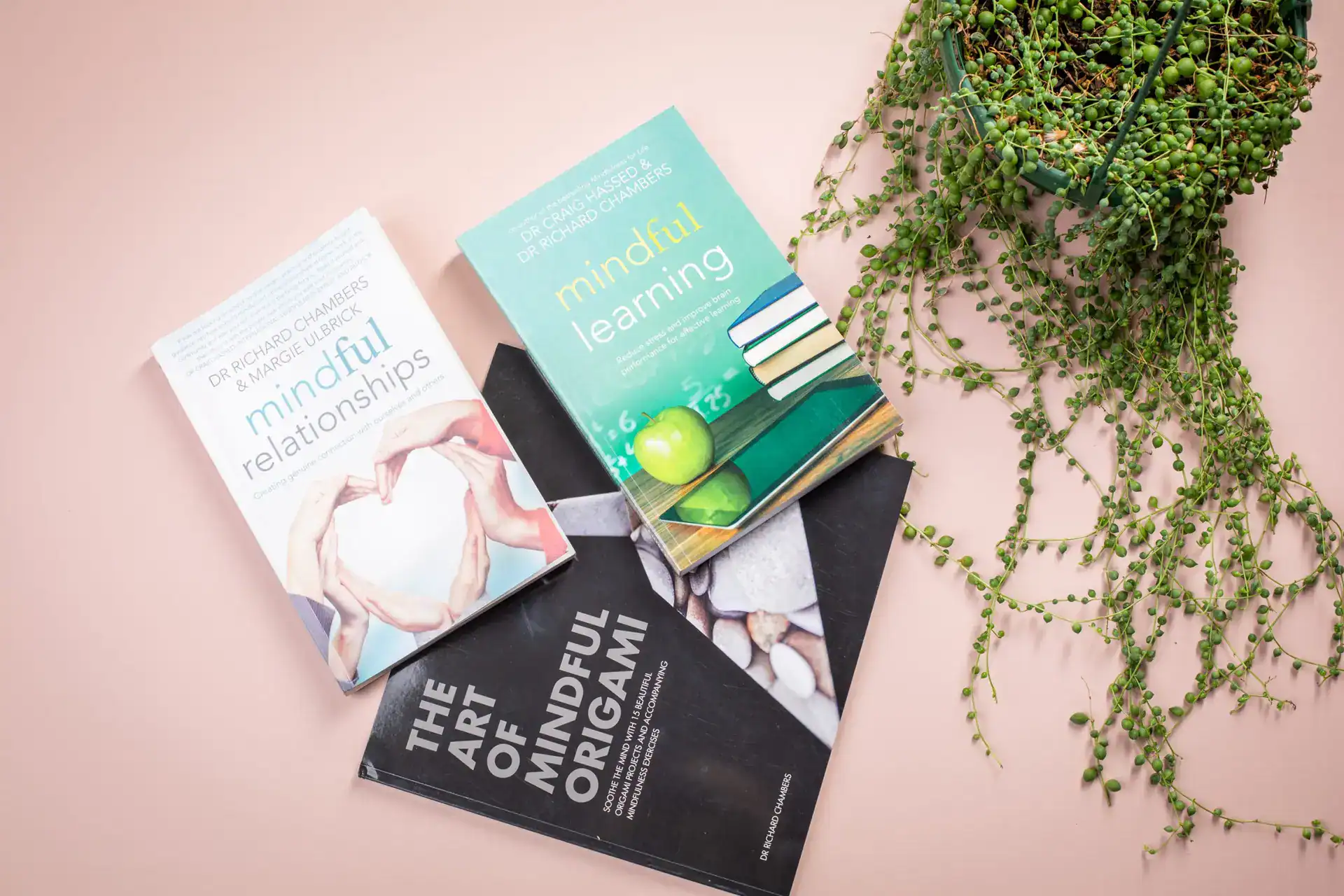
I spent more than a decade at Monash University, leading a world-first initiative to embed mindfulness into the core curriculum and developing performance, wellbeing, and leadership programs across the institution. I taught mindfulness-based tools to students and staff in 22 academic units, from engineering to law to medicine. Each audience needed the same body of work translated for their specific context. That’s where I learned how to make psychologically rigorous work land with any audience.
Over time, I started working more with leaders. Senior leaders are highly leveraged, time-poor, and they respond well when complex ideas are presented in a practical, evidence-based, contextualised way. The work I’d been developing for years was a strong fit. I moved my practice in that direction.
Then I burned out.
It was a turning point. I’d built a career around work I cared about deeply, with values I genuinely believed in. And it still wasn’t enough to protect me. I had to look at how I was actually operating, and I started to see patterns I hadn’t noticed before. Patterns of overworking, perfectionism, and saying yes to too much. They weren’t bad. They were running me harder than I should have been running.
A difficult professional experience years later forced me to do the deeper inner work I’d been avoiding. I had to learn to recognise those patterns, work with them rather than against them, and lead from a more grounded place.
That experience reshaped my approach. I realised that practical tools and frameworks are essential, but they aren’t enough on their own. The patterns running underneath are what determine whether new behaviours actually take hold. Working at both layers, the practical and the psychological, is what produces lasting change.
That’s the work I now do with leaders and organisations.